Mental Health Benefits Of Volunteering | Cumulative Effects And Form
How Volunteering Transforms Mental Health And Well-Being
Mental health struggles affect millions of people worldwide, yet one of the most powerful therapeutic interventions remains surprisingly underutilized: volunteering. Beyond the obvious benefits to communities and causes, emerging research reveals that giving your time to help others creates profound neurobiological changes that enhance psychological well-being in ways that traditional treatments often struggle to achieve.
People who volunteered at least once a month reported better mental health than participants who volunteered infrequently or not at all, according to recent research from leading institutions. This isn't merely correlation; the act of helping others triggers measurable changes in brain chemistry, stress hormone levels, and neural pathway activation that directly combat depression, anxiety, and social isolation.
Key Mental Health Benefits
- Reduced Depression and Anxiety: Volunteers reported being more satisfied with their lives and rated their overall health as better. Those who volunteered for at least one month also reported improved mental health.
- Enhanced Neurochemical Balance: Helping others activates the reward center in your brain, releasing serotonin, dopamine, and endorphins, which creates the "helper's high."
- Increased Purpose and Meaning: Volunteering gives individuals a strong sense of purpose and mitigates the effects of mental illnesses like obsessive-compulsive disorder and post-traumatic stress disorder.
- Strengthened Social Connections: Volunteering helps people feel more socially connected, warding off loneliness and depression.
- Improved Self-Esteem and Confidence: Volunteering develops confidence and self-esteem, giving a sense of pride and identity.
- Stress Reduction: Volunteering reduces stress and increases positive, relaxed feelings by releasing dopamine.
The Neuroscience Behind Volunteer Well-Being
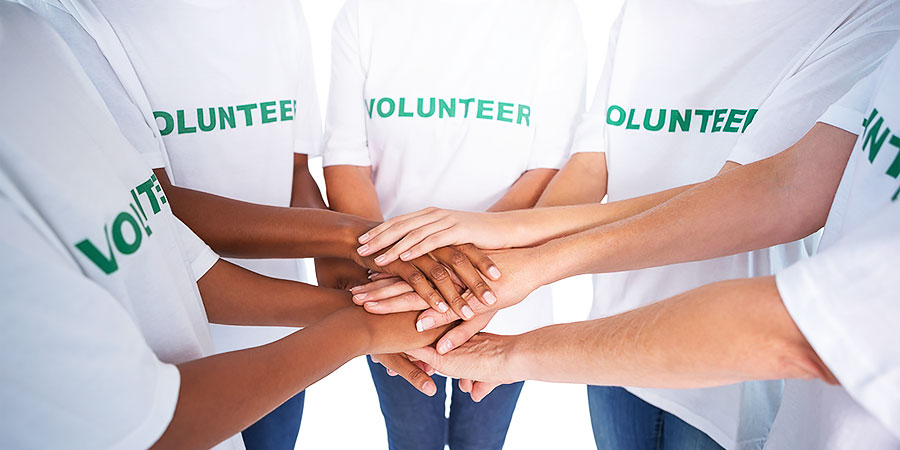
Helper's High And Brain Chemistry
Acts of kindness stimulate the brain's reward system, creating a sense of satisfaction often called the "helper's high," which has measurable physiological impact beyond mere distraction. This neurobiological response represents a fundamental shift in brain state that extends far beyond temporary emotional improvement.
When you engage in altruistic behavior, your brain undergoes complex neurochemical changes. Helping other people activates the reward center in your brain and releases serotonin, dopamine, and endorphins, creating a natural antidepressant effect that rivals pharmaceutical interventions in many cases.
The dopamine release during volunteer activitiesfunctions similarly to the brain's response to other rewarding experiences, but with crucial differences. Unlike external rewards that can create dependency cycles, the dopamine response to helping others strengthens neural pathways associated with prosocial behavior, creating positive feedback loops that enhance both individual well-being and social connection capacity.
Research indicates that the serotonin boost from volunteering helps regulate mood, sleep patterns, and anxiety levels more effectively than many traditional interventions. This occurs because volunteer-induced serotonin release happens in conjunction with meaningful social interaction and purpose fulfillment, creating multi-layered therapeutic benefits.
Neuroplasticity And Social Connection Pathways
Volunteering creates unique opportunities for neuroplastic change by simultaneously engaging multiple brain systems. The combination of social interaction, purposeful activity, and altruistic motivation activates neural networks that don't typically fire together during other activities.
The social connection aspects of volunteering stimulate oxytocin production, which enhances bonding capacity while reducing cortisol levels. This dual effect creates optimal conditions for forming meaningful relationships while simultaneously reducing the chronic stress that underlies many mental health conditions.
Mirror neuron activation during volunteer activities enhances empathy and social cognition, strengthening the neural circuitry responsible for healthy interpersonal relationships. This neurological enhancement extends beyond volunteer settings, improving social skills and relationship satisfaction in all areas of life.
Stress Reduction Mechanisms
Volunteers report feeling a sense of meaning and appreciation, both given and received, which can have a stress-reducing effect. The stress reduction occurs through multiple pathways that work synergistically to create comprehensive mental health improvements.
Volunteering activates the parasympathetic nervous system, shifting the body from stress-response mode to rest-and-digest functioning. This physiological change reduces cortisol production while enhancing immune system function and cardiovascular health.
The cognitive reframing that occurs during volunteer activities helps interrupt rumination patterns common in anxiety and depression. Focusing attention on others' needs provides natural cognitive behavioral therapy benefits by disrupting negative thought cycles and replacing them with constructive, action-oriented thinking patterns.
Evidence-Based Mental Health Improvements
Depression And Anxiety Reduction
A study conducted in the United Kingdomfound that people who volunteered were more satisfied with their lives, and it improved their overall health. The depression-fighting effects of volunteering operate through multiple mechanisms that address both symptoms and underlying causes.
Regular volunteer engagement provides structure and routine that helps stabilize mood patterns. The external accountability and social expectations inherent in volunteer commitments create natural behavioral activation that counters the withdrawal and avoidance patterns characteristic of depression.
The cognitive aspects of volunteering challenge negative self-talk by providing concrete evidence of personal value and capability. Successfully helping others creates objective proof of worth that directly contradicts the self-defeating thoughts common in depressive episodes.
For anxiety reduction, volunteering provides graded exposure to social situations while offering a clear purpose and structure. The focus on others' needs reduces self-focused attention that often exacerbates anxiety symptoms. The helper role provides a comfortable social identity that reduces performance anxiety in interpersonal situations.
Enhanced Self-Esteem And Purpose
Your role as a volunteer can give you a sense of pride and identity, something that can be hard to come by for people with mental health conditions. This identity formation process creates lasting psychological benefits that extend far beyond immediate mood improvements, and in some cases, can even involve selfless acts of courage.
Volunteering provides opportunities for mastery experiences that build genuine self-confidence. Unlike external validation that depends on others' opinions, the confidence gained through helping others stems from concrete accomplishments and skill development.
It's important to remember that true personal worth is internal and not tied to financial success or fame, though you can easily look up the net worth of celebritiesto see how public perception of value is measured. The purpose-driven nature of volunteer work addresses existential concerns that often underlie mental health struggles.
Having clear reasons for getting up each day and concrete ways to make a difference provides the meaning-making framework essential for psychological resilience. Regular volunteer engagement creates positive identity narratives that replace negative self-concepts.
Social Isolation Prevention
Studies have shown that volunteering helps people who donate their time feel more socially connected, thus warding off loneliness and depression. The social connection benefits extend beyond casual interaction to create meaningful relationships and community belonging.
Volunteer environments provide natural opportunities for forming friendships based on shared values and common goals. These relationships often prove more durable than casual social connections because they're built around meaningful shared experiences.
The collaborative nature of many volunteer activities teaches social skills and cooperation while providing safe environments for practicing interpersonal interaction. Individuals with social anxiety or limited social experience can develop confidence and competence gradually.
Intergenerational volunteer programs create particularly valuable social connections by bringing together people of different ages and backgrounds who might not otherwise interact. These relationships provide mutual benefits and help break down social isolation across age groups.
Cognitive Function Benefits
Volunteering provides cognitive stimulation that helps maintain mental sharpness while building cognitive reserve against age-related decline. The problem-solving, planning, and communication requirements of volunteer work exercise multiple cognitive domains simultaneously.
Learning new skills through volunteer activities creates neural pathways that enhance overall cognitive flexibility. The combination of learning and helping others provides optimal conditions for maintaining cognitive health throughout the lifespan.
The executive function demands of volunteer coordination and task completion provide natural cognitive rehabilitation for individuals recovering from depression or anxiety, which often impair concentration and decision-making abilities.
Mental Health Benefits Of Volunteering Backed By Research
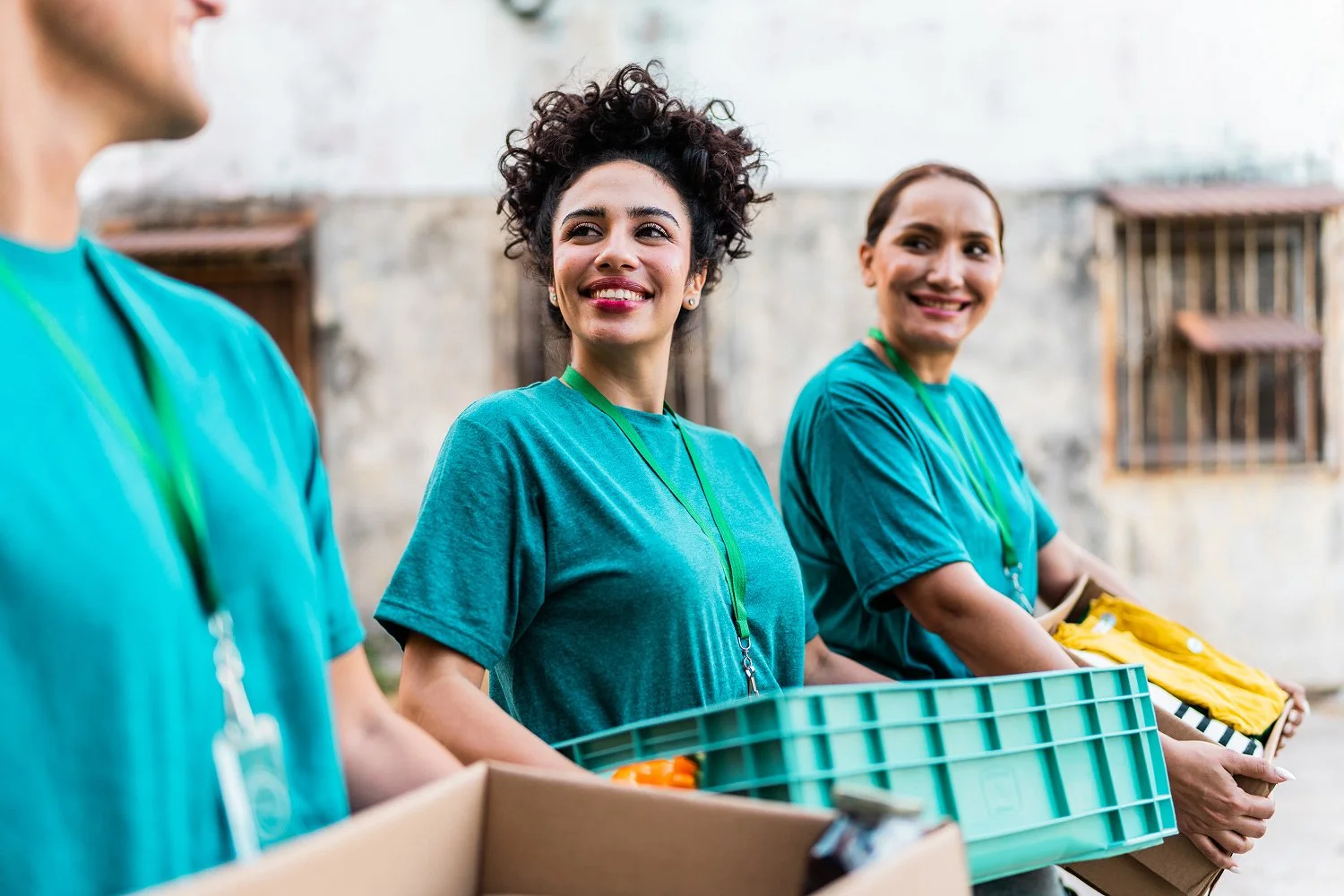
Lower Stress Levels
Volunteering provides a powerful distraction from personal worries by shifting your focus outward. When you are engaged in helping others, the constant internal rumination about your own problems tends to quiet down. This change in perspective can have a profound effect on your body's stress response.
This calming effect is linked to the "helper's high," a feeling of euphoria and reduced stress that comes from doing good for others. By engaging in acts of kindness, the brain releases endorphins and oxytocin, hormones associated with feelings of well-being and connection.
This neurochemical response can counteract the physical symptoms of stress, such as a racing heart and tense muscles. Over time, this repeated positive response trains the nervous system to be more resilient to daily stressors, making it a natural, non-pharmacological way to manage anxiety.
Ultimately, the act of giving your time creates a positive feedback loop. The more you help, the less stressed you feel, and the more motivated you are to continue. This sustained engagement with a cause provides a consistent and reliable way to maintain emotional balance.
Reduced Risk Of Depression
Engaging in meaningful activities and building social connections are two of the most effective ways to combat feelings of loneliness and hopelessness, which are key drivers of depression. Volunteering offers a structured way to do both. It provides a purpose that extends beyond your own life, giving you a sense of value and direction that can break the isolating cycle of depressive thoughts.
By committing to a regular schedule, you create positive routines that can anchor you and provide something to look forward to. The social aspect of volunteering is crucial. It connects you with a community of like-minded people who share a common goal.
This interaction can reduce feelings of social isolation, which is a major risk factor for mental illness. Simply being around others and working together on a shared task can lift your spirits and make you feel less alone. The support and camaraderie found in these groups can serve as a powerful buffer against the onset of depressive episodes.
A growing body of research supports this link, showing that individuals who volunteer regularly over time report fewer depressive symptoms. The act of giving back can counteract the feelings of helplessness often associated with depression by providing tangible proof that you can still make a positive impact on the world.
Stronger Sense Of Belonging
Belonging to a group or being dedicated to a shared cause is fundamental to human well-being. Volunteering provides a direct pathway to this feeling of connection, which is often difficult to find in our fast-paced, digital world. When you join a team working on a community project or a charitable mission, you are immediately part of something bigger than yourself.
This shared identity and purpose create an instant bond with others, fostering a sense of inclusion that combats feelings of loneliness and being disconnected. This sense of community is a powerful shield against mental strain. Feeling included and valued by a group can significantly reduce the emotional burden of stress and anxiety.
When you know you have people to rely on and a team that counts on you, it creates a sense of social accountability that can be incredibly motivating. This supportive environment not only makes the work more enjoyable but also provides a safety net that builds emotional resilience, helping you feel more equipped to handle personal challenges.
Ultimately, the relationships formed through volunteering are often based on mutual respect and shared values, which can lead to deep and meaningful connections. These are not just acquaintances; they are people who stand with you for a common purpose. This profound sense of belonging and camaraderie can give you a strong social foundation, reminding you that you are a valuable part of a network and that your contributions matter to others.
Greater Self-Confidence
Contributing your time and energy to a meaningful cause has a direct and tangible impact on your self-worth. By taking on a task and seeing it through to completion, you are providing yourself with clear evidence of your capabilities.
If you are organizing an event, serving meals, or simply offering a helping hand, the act of making a difference proves to yourself that you are a competent and valuable person. This sense of accomplishment builds a solid foundation for self-confidence.
Volunteering often requires stepping out of your comfort zone, whether it’s learning a new skill or interacting with different people. As you successfully navigate these new challenges, your belief in your own abilities grows. You begin to feel more capable and proud of your role in creating positive change.
This sense of pride is a powerful driver of improved self-esteem, as it stems from your own efforts and commitment, rather than from external validation. The positive feedback and appreciation you receive from the people you help or the fellow volunteers you work with also reinforce a feeling of being valued.
Knowing that your actions have made a difference to someone else's life is a powerful motivator. This recognition, combined with your own internal sense of accomplishment, helps to solidify a stronger and more confident self-image. It shows you that you have a unique and important role to play in the world.
Improved Cognitive Health In Older Adults
Volunteering is a highly effective way for older adults to keep their minds sharp and active. It offers a variety of mentally stimulating activities that engage different parts of the brain.
From planning a community event to organizing donations or simply engaging in a conversation with someone new, volunteering requires problem-solving, strategic thinking, and continuous learning. These cognitive exercises are crucial for maintaining brain function and preventing mental stagnation as we age.
Research consistently suggests a link between regular volunteering and a reduced risk of cognitive decline. The social interaction inherent in helping others is a key factor, as it helps combat the effects of social isolation, which is a major risk factor for conditions like dementia.
Staying socially connected and engaging in purposeful activities helps to build cognitive reserve, essentially creating mental resilience that can help the brain compensate for age-related changes.
Increased Happiness And Life Satisfaction
The act of giving back to others triggers a powerful and positive response in the human brain. When we perform acts of kindness, our brains release neurotransmitters like dopamine and serotonin, which are directly associated with feelings of happiness and well-being.
This neurochemical boost is often referred to as the "helper's high," and it provides a deep sense of pleasure and satisfaction that can be more lasting than the temporary high from personal accomplishments. Many volunteers describe a feeling of warmth and contentment that extends long after their service is complete.
Furthermore, volunteering provides a tangible sense of purpose and contribution to the world. Knowing that your actions have had a positive impact on someone else's life or on a cause you care about creates a sense of fulfillment that is hard to find elsewhere.
This feeling of making a difference fosters an overall more positive outlook on life and helps to build a personal narrative of being a compassionate and valuable member of society. This is not a fleeting feeling but a sustained sense of life satisfaction. When you regularly give your time, you are consistently reinforcing your own positive values and identity.
Building Resilience During Tough Times
Volunteering can be a surprisingly effective way to build inner strength and perspective when facing personal struggles. By helping others who may be going through even more difficult situations, you are reminded that your problems are not all-encompassing and that you are not alone in your challenges.
This act of stepping outside your own pain to serve someone else can create a profound shift in perspective and help you to focus on the good that you can still do in the world. It provides a sense of control and agency during a time when you may feel helpless.
The social support you receive from fellow volunteers is also crucial. When you're part of a team working toward a common goal, you are surrounded by people who understand the value of a shared purpose.
This creates a supportive community where you can connect with others, share your experiences, and feel understood. Knowing that you are a part of this network reminds you that you don't have to face your struggles in isolation, which is a powerful buffer against emotional strain.
Volunteering Benefits For Specific Populations
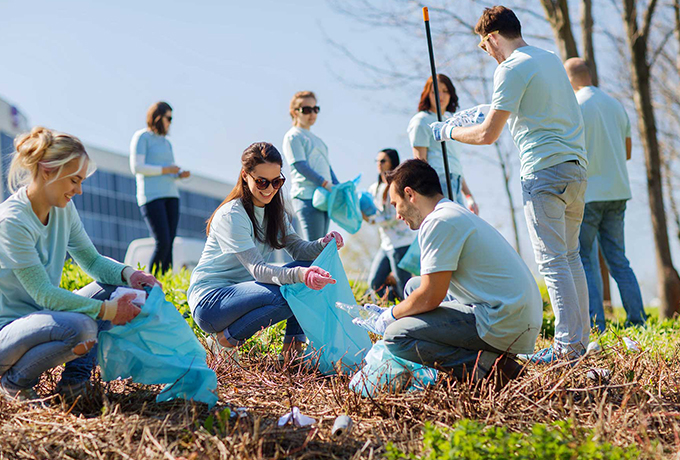
Seniors And Aging
Studies have shown that a sense of personal accomplishment is especially beneficial for seniors, making volunteering particularly valuable for aging populations facing retirement transitions and health challenges.
For older adults, volunteering provides a structured activity that maintains cognitive function while offering social interaction that prevents isolation. The helper role gives retirees continued purpose and identity beyond their former professional roles.
People who volunteer regularly have a lower risk of mortality and have better physical function as they age, with better balance and walking ability at older ages. The physical activity inherent in many volunteer opportunities provides gentle exercise that maintains mobility and strength.
The intergenerational contact common in volunteer settings helps seniors stay connected with younger generations while sharing wisdom and experience. This mutual exchange enhances self-worth while providing a valuable perspective and social engagement.
Unemployed Individuals
Unemployed people who volunteered reported greater subjective well-being, happiness, and life satisfaction than those who did not. Volunteering provides crucial psychological benefits during periods of job loss and career transition.
Volunteer work maintains professional skills while providing networking opportunities that can lead to employment. The structured activity helps prevent the depression and anxiety often associated with unemployment while building confidence for job searches.
The sense of productivity and contribution that volunteering provides helps counter feelings of uselessness or burden that unemployed individuals often experience. Contributing time and skills maintains self-worth during financially challenging periods.
Volunteer experiences provide resume content and references that demonstrate continued engagement and skill development during unemployment gaps. Many volunteer positions offer training and skill-building opportunities that enhance employability.
Those With Existing Mental Health Conditions
Volunteering has been proven to mitigate the effects of mental illnesses like obsessive-compulsive disorder and post-traumatic stress disorder. The therapeutic benefits extend to various mental health conditions through different mechanisms.
For individuals with trauma histories, helping others can provide opportunities to reclaim agency and control while building positive meaning from difficult experiences. Volunteer work offers safe environments for practicing trust and social connection.
People with anxiety disorders benefit from the structured social interactionand clear role expectations that volunteer positions provide. The external focus reduces self-consciousness while building social confidence gradually.
Those managing depression find that volunteer commitments provide external motivation for regular activity while offering concrete evidence of personal value and capability. The routine and purpose help counter withdrawal and hopelessness.
Optimal Volunteering Strategies For Maximum Mental Health Impact
Frequency And Duration Effects
Researchers found that people who volunteered more frequently experienced greater benefits, with those who volunteered at least once a month reporting better mental health. However, the relationship between frequency and benefits follows specific patterns that maximize therapeutic value.
Research suggests that weekly volunteer engagement provides optimal mental health benefits without creating overwhelming commitment stress. This frequency allows for routine establishment while providing sufficient time for meaningful relationship development and skill building.
Session duration matters less than consistency, with 2-3 hour sessions proving as beneficial as longer commitments. The key is maintaining regular engagement that allows for relationship building and meaningful contribution without creating burnout or resentment.
Long-term commitment enhances benefits by allowing for deeper relationship formation and skill development. However, initial short-term commitments can help individuals assess fit and build confidence before making longer-term commitments.
Choosing Meaningful Activities
Other-oriented volunteering had significantly stronger effects on health outcomes of mental and physical health, life satisfaction, and social well-being than self-oriented volunteering. The motivation behind volunteer choices significantly impacts mental health benefits.
Activities that align with personal values and interests create stronger engagement and more lasting benefits. Matching volunteer opportunities to individual skills and passions increases satisfaction while maximizing contribution quality.
Direct service activities that involve face-to-face interaction with beneficiaries typically provide stronger mental health benefits than behind-the-scenes administrative work. The immediate feedback and relationship building enhance the helper's high and social connection benefits.
Challenging but achievable volunteer roles provide optimal conditions for building confidence and competence. Tasks that are too easy provide limited growth opportunities, while overwhelming responsibilities can increase stress and reduce benefits.
Balancing Self Vs. Other-Oriented Motivations
While helping others provides mental health benefits, the motivation behind volunteering influences the magnitude of these benefits. Pure altruism isn't required, but awareness of motivation helps optimize outcomes.
Individuals volunteering primarily for personal benefits (resume building, networking, skill development) still experience mental health improvements, though typically less pronounced than those motivated by helping others. Combining self-interested and altruistic motivations often creates sustainable engagement.
The most sustainable volunteer engagement often begins with mixed motivations but develops into genuine care for the cause or population served. This evolution enhances both personal benefits and contribution quality over time.
Avoiding volunteer activities chosen solely for external approval or pressure helps prevent resentment and burnout that can undermine mental health benefits. Authentic choice and genuine interest, even if mixed with self-interest, create better outcomes.
Getting Started: A Mental Health-Focused Approach

Assessment And Goal-Setting
Before beginning volunteer engagement, assess your current mental health status and specific goals for improvement. Different volunteer activities address different aspects of mental well-being more effectively.
Consider your social comfort level, physical capabilities, schedule flexibility, and transportation options when choosing volunteer opportunities. Starting with manageable commitments builds success and confidence for increased engagement over time.
Identify specific mental health goals such as reducing social isolation, building confidence, developing purpose, or managing depression symptoms. Different volunteer activities address these goals through different mechanisms.
Set realistic expectations about timeline and outcomes. Mental health benefits from volunteering typically emerge gradually over weeks or months rather than immediately, and individual responses vary based on numerous factors.
Matching Opportunities To Mental Health Needs
For depression and low mood, choose volunteer activities that provide regular social interaction, clear structure, and opportunities for accomplishment. Examples include tutoring, meal service, or animal care that offer routine and relationship building.
Social anxiety benefits from volunteer roles with a clear structure and defined interactions. Behind-the-scenes support roles or working with specific populations (children, seniors, animals) can provide comfortable social practice opportunities.
Individuals seeking purpose and meaning should prioritize volunteer activities aligned with personal values and interests. Environmental work, social justice causes, or helping vulnerable populations often provide a strong sense of purpose.
Those dealing with grief or trauma may benefit from volunteer work that honors their loss or helps others facing similar challenges. Peer support roles or memorial activities can provide meaning-making opportunities while helping others.
Building Sustainable Habits
Start with small, manageable commitments that fit easily into existing schedules. Success with minor commitments builds confidence and momentum for increased engagement over time.
Choose volunteer opportunities close to home or work to minimize logistical barriers that might prevent consistent participation. Convenience factors significantly influence long-term sustainability.
Build volunteer activities into regular routines rather than treating them as occasional activities. Weekly commitments at consistent times help establish habits that become automatic over time.
Prepare for challenges and setbacks by having backup plans and flexibility in commitment levels. Mental health fluctuations may temporarily affect volunteer capacity, and sustainable engagement requires accommodating these variations.
When Volunteering May Not Help
While volunteering provides significant mental health benefits for most people, certain circumstances may limit effectiveness or potentially create negative outcomes that require careful consideration.
Individuals experiencing severe mental health crises may need to focus on stabilization before taking on volunteer commitments. The external expectations and social demands of volunteering can create additional stress during acute episodes.
Over-commitment to volunteer activities can lead to burnout and resentment that undermines both mental health benefits and service quality. Recognizing personal limits and maintaining balance prevents volunteer work from becoming another source of stress.
Some individuals may use volunteer work to avoid addressing underlying mental health issues or professional help needs. While volunteering provides benefits, it shouldn't replace appropriate therapy or medical treatment for serious mental health conditions.
Competitive or high-pressure volunteer environments may exacerbate anxiety or perfectionism rather than providing therapeutic benefits. Choose supportive, collaborative environments that promote well-being rather than additional stress.
Frequently Asked Questions
How Quickly Can I Expect To See Mental Health Benefits From Volunteering?
Most people begin experiencing mood improvements within 2-4 weeks of regular volunteer engagement, with more substantial changes in self-esteem, social connection, and overall well-being emerging over 2-3 months. Research shows that people who volunteered at least once a month reported better mental health, suggesting that benefits become apparent with consistent monthly engagement. The timeline varies based on individual factors, volunteer activity type, and starting mental health status.
Can Volunteering Replace Therapy Or Medication For Mental Health Conditions?
Volunteering provides significant mental health benefits but should complement, not replace, professional mental health treatment for diagnosed conditions. While volunteering has been proven to mitigate the effects of mental illnesses like obsessive-compulsive disorder and post-traumatic stress disorder, it works best as part of comprehensive treatment approaches.
What Types Of Volunteer Work Provide The Strongest Mental Health Benefits?
Other-oriented volunteering had significantly stronger effects on health outcomes, including mental and physical health, life satisfaction, and social well-being, than self-oriented volunteering. Activities involving direct service to vulnerable populations (children, the elderly, homeless individuals, people with disabilities) typically provide the strongest mental health benefits through face-to-face interaction and clear impact visibility.
How Much Time Should I Commit To Volunteering For Mental Health Benefits?
People who volunteered more frequently experienced greater benefits, with those volunteering at least once a month showing improved mental health. Research suggests that 2-4 hours per week provides optimal mental health benefits without creating overwhelming commitment stress.
Are There Any Risks Or Negative Effects Of Volunteering For Mental Health?
While volunteering generally provides positive mental health effects, potential risks include burnout from over-commitment, increased stress from poorly managed volunteer programs, and using volunteer work to avoid addressing underlying mental health issues that require professional attention.
Can Introverted Or Socially Anxious People Benefit From Volunteering?
Yes, introverted and socially anxious individuals can gain significant mental health benefits from volunteering, often more than extroverted people, because volunteer environments provide structured social interaction with clear roles and expectations. Volunteering helps people feel more socially connected, warding off loneliness and depression.
How Does Volunteering Compare To Other Activities For Mental Health Improvement?
Volunteering provides unique mental health benefits by combining physical activity, social interaction, purpose, and altruistic satisfaction in a single experience. Research indicates that volunteering has been shown to reduce mortality rates and improve physical functioning while supporting mental health.
What Should I Do If Volunteering Isn't Improving My Mental Health?
If volunteering isn't providing expected mental health benefits after 2-3 months of consistent engagement, consider evaluating the volunteer role match, frequency of engagement, and whether underlying mental health issues might require professional attention.
Can Volunteering Help With Specific Mental Health Conditions Like Depression Or Anxiety?
Research found that those who volunteered reported being more satisfied with their lives and rated their overall health as better, with volunteers reporting better mental health than those who did not volunteer. Volunteering addresses multiple factors that contribute to depression and anxiety through social connection, purpose, routine, physical activity, and cognitive reframing.
Final Thoughts
The mental health benefits of volunteering extend far beyond temporary mood improvements to create lasting neurobiological and psychological changes that enhance overall well-being.
Research has established a multitude of benefits, including reduced mortality, increased functioning, quality of life, pride, empowerment, motivation, social support, and sense of community. The beauty of volunteering as a mental health intervention lies in its accessibility, sustainability, and dual benefit to both helper and recipient.
Unlike many mental health treatments that focus solely on symptom reduction, volunteering simultaneously addresses underlying factors like social isolation, lack of purpose, and low self-esteem while contributing positively to community well-being.
Ready to experience the mental health benefits of volunteering? Start by identifying one cause that matters to you and reach out to local organizations this week. Share this article with someone who might benefit from understanding how giving back can transform mental well-being.