Top 20 Musicians Who Received National Community Service Awards
One of the top honors national awards is the Ford Musician Award for Excellence in Community Service. It’s given by the League of American Orchestras with support from the Ford Motor Company Fund.
Since 2016, it has recognized orchestra musicians who go above and beyond the concert stage to serve their communities. Because they all believe that music is for everyone. Their stories show how classical musicians are stepping into roles as leaders, supporters and forces for good in their communities.
1. Rebecca Patterson - Nashville Symphony (2021)
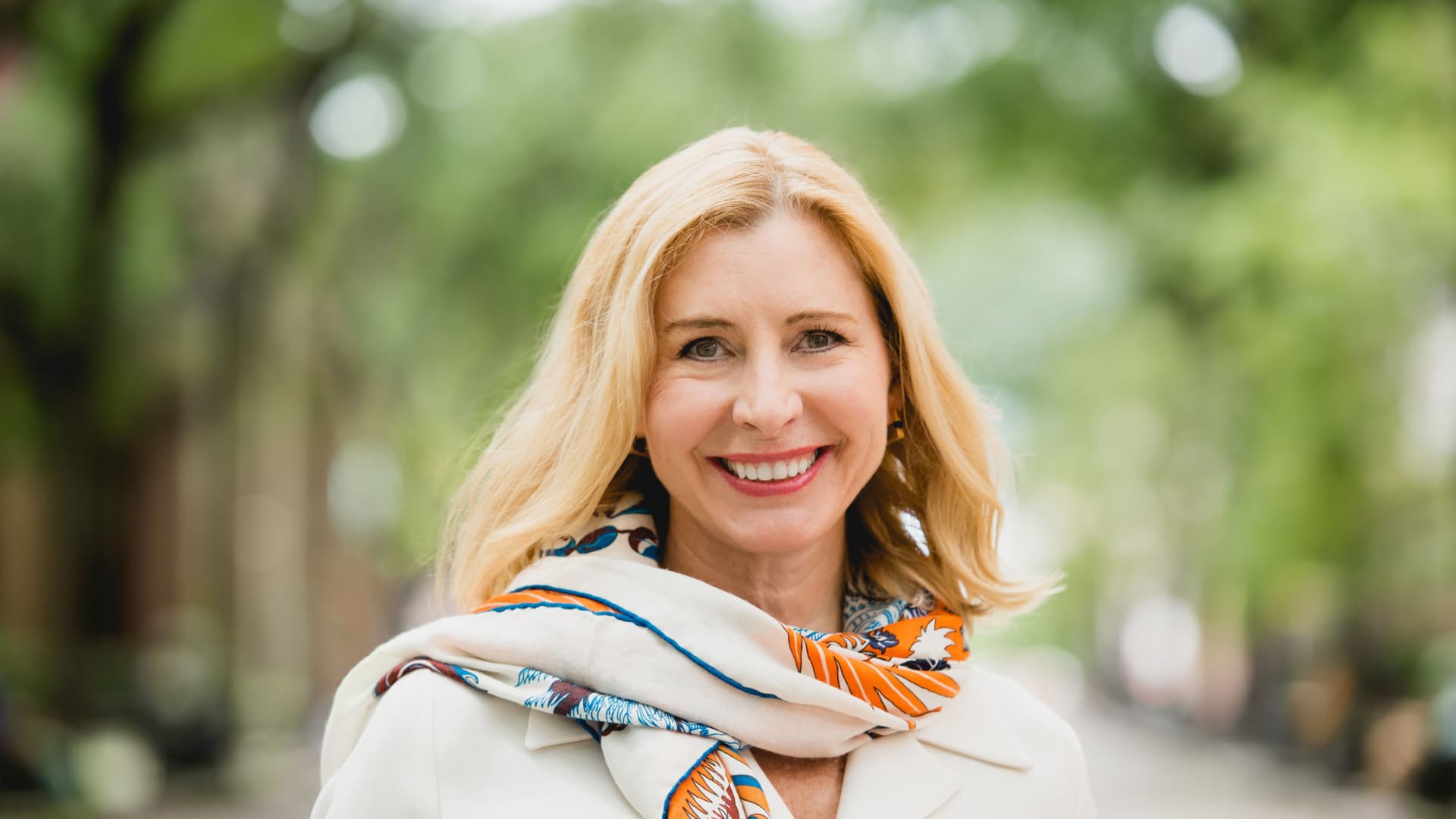
Rebecca Patterson, a violist with the Nashville Symphony, used music to support people dealing with mental health struggles. She reached out to groups often left out of regular arts programs by playing live music in treatment centers and support groups.
Her work went beyond one-time visits. She teamed up with mental health professionals to build programs that blend music with wellness efforts, showing how classical musicians can play a real role in public health.
2. Jeb Gutelius - Fort Worth Symphony Orchestra (2021)
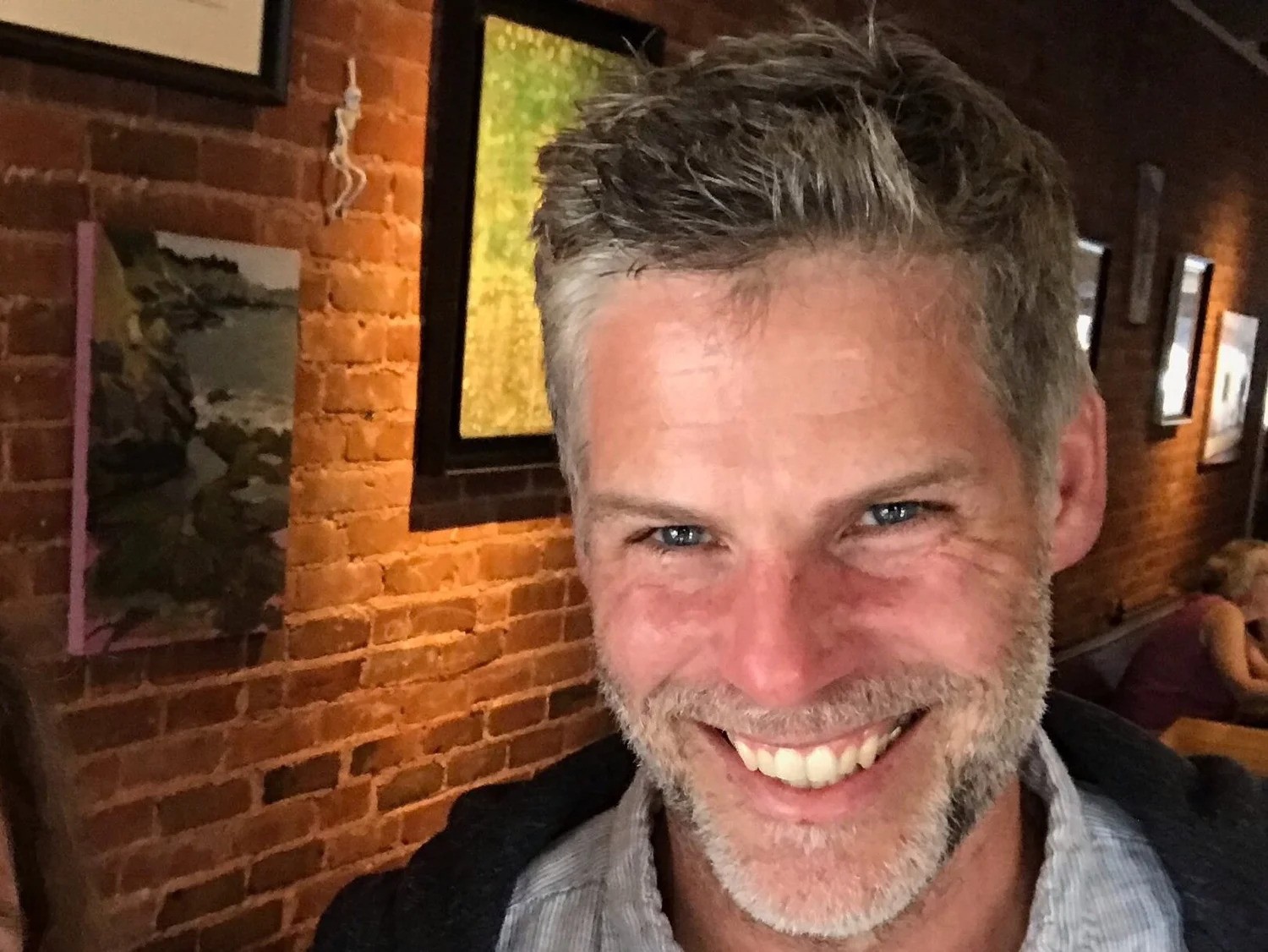
Jeb Gutelius, the Fort Worth Symphony’s principal oboe, focused on giving students in underfunded schools better access to music education.
He worked closely with teachers to create long-term music lessons that connect with what students are already learning. He also helped collect instruments, matched young players with mentors from the orchestra and pushed for more funding for school arts programs.
3. Charlotte Kearns - Houston Symphony (2021)
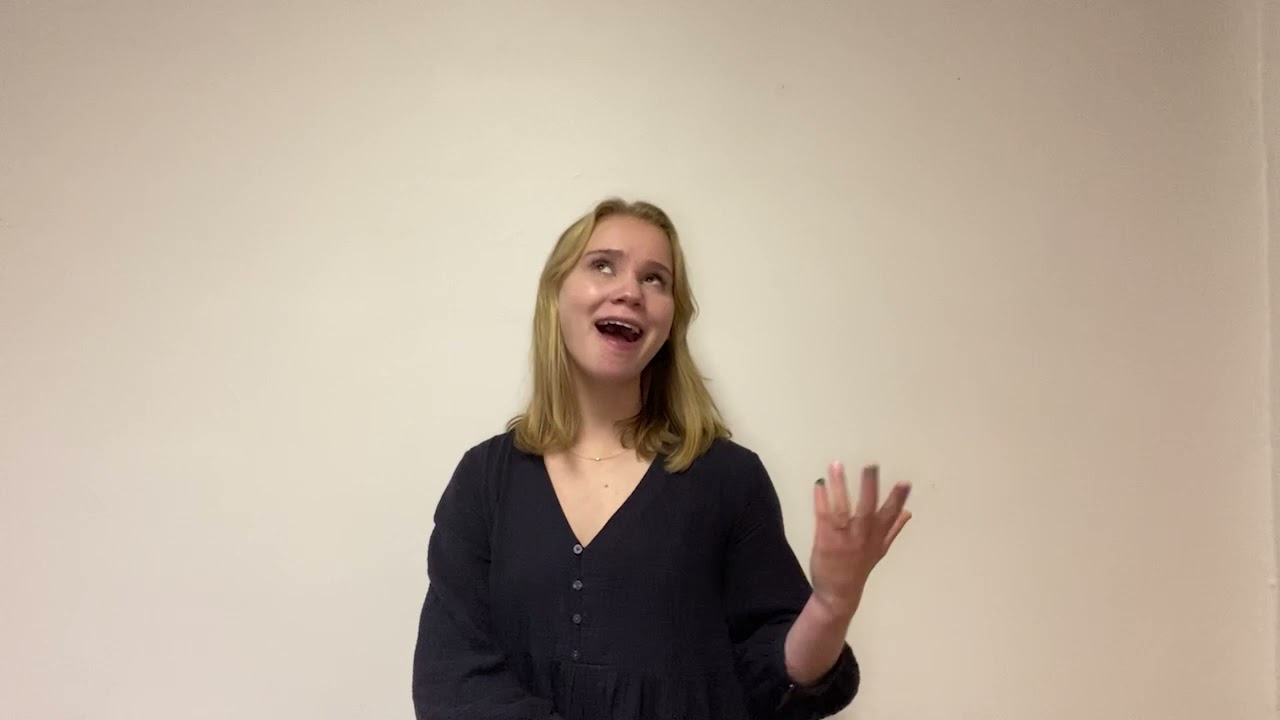
Charlotte Kearns, a violist with the Houston Symphony, brought music directly to hospital patients who couldn’t make it to concerts. Her “Music at the Bedside” project involved playing in patient rooms, especially for those going through long treatments, feeling isolated, or facing serious illness.
She also supported healthcare workers during the pandemic, offering live music to give them a moment of rest and appreciation. Her efforts showed that music can truly comfort both patients and those who care for them.
4. Lorien Benet Hart - Seattle Symphony (2021)
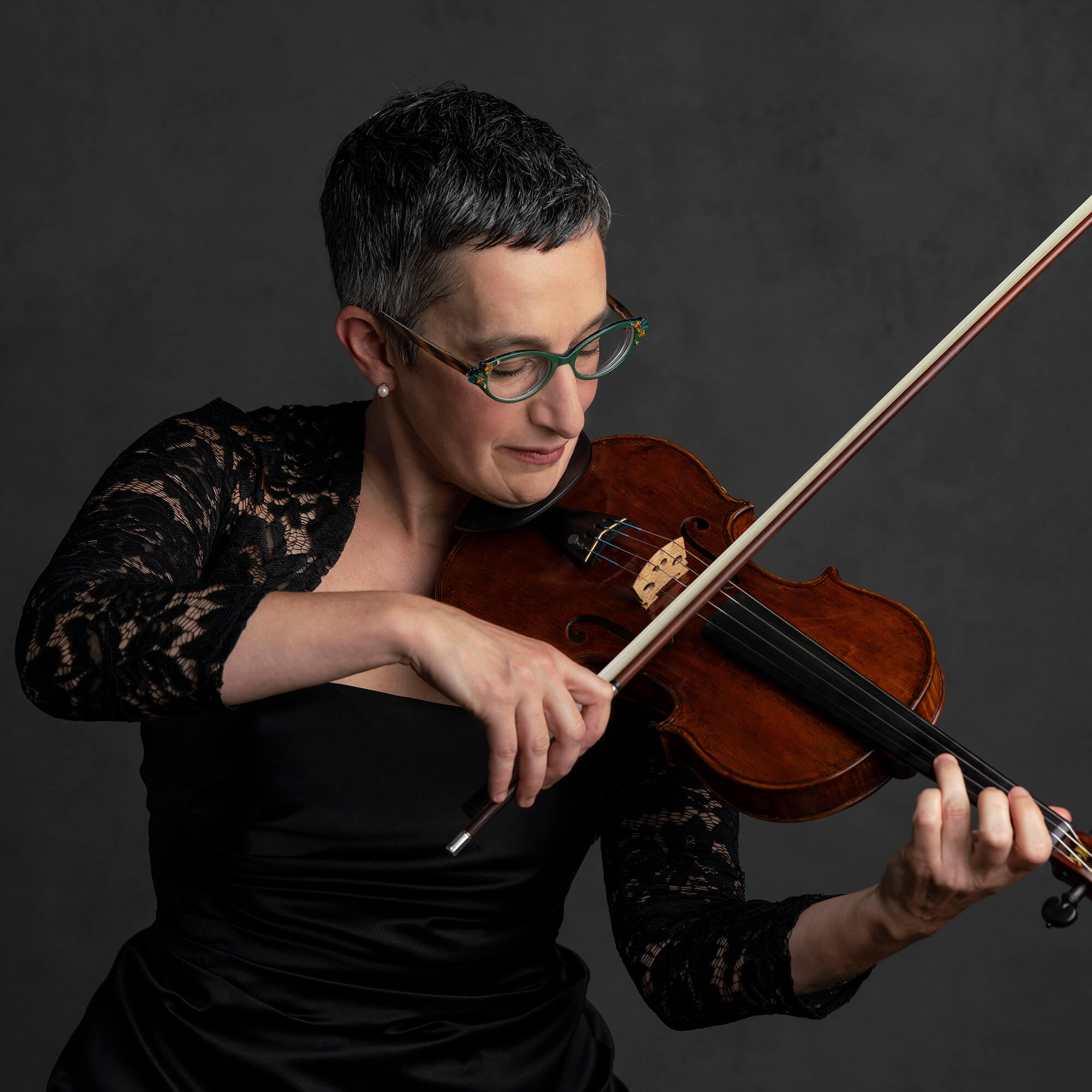
Lorien Benet Hart, a violinist with the Seattle Symphony, created programs for immigrant and refugee communities in the city. Many of these groups face language barriers and feel cut off from mainstream cultural events.
She worked with resettlement organizations to design music experiences that honor their home traditions while gently introducing classical music. Her approach made room for everyone to share and learn, turning outreach into real cultural connection.
5. Miho Hashizume - Rochester Orchestra (2021)
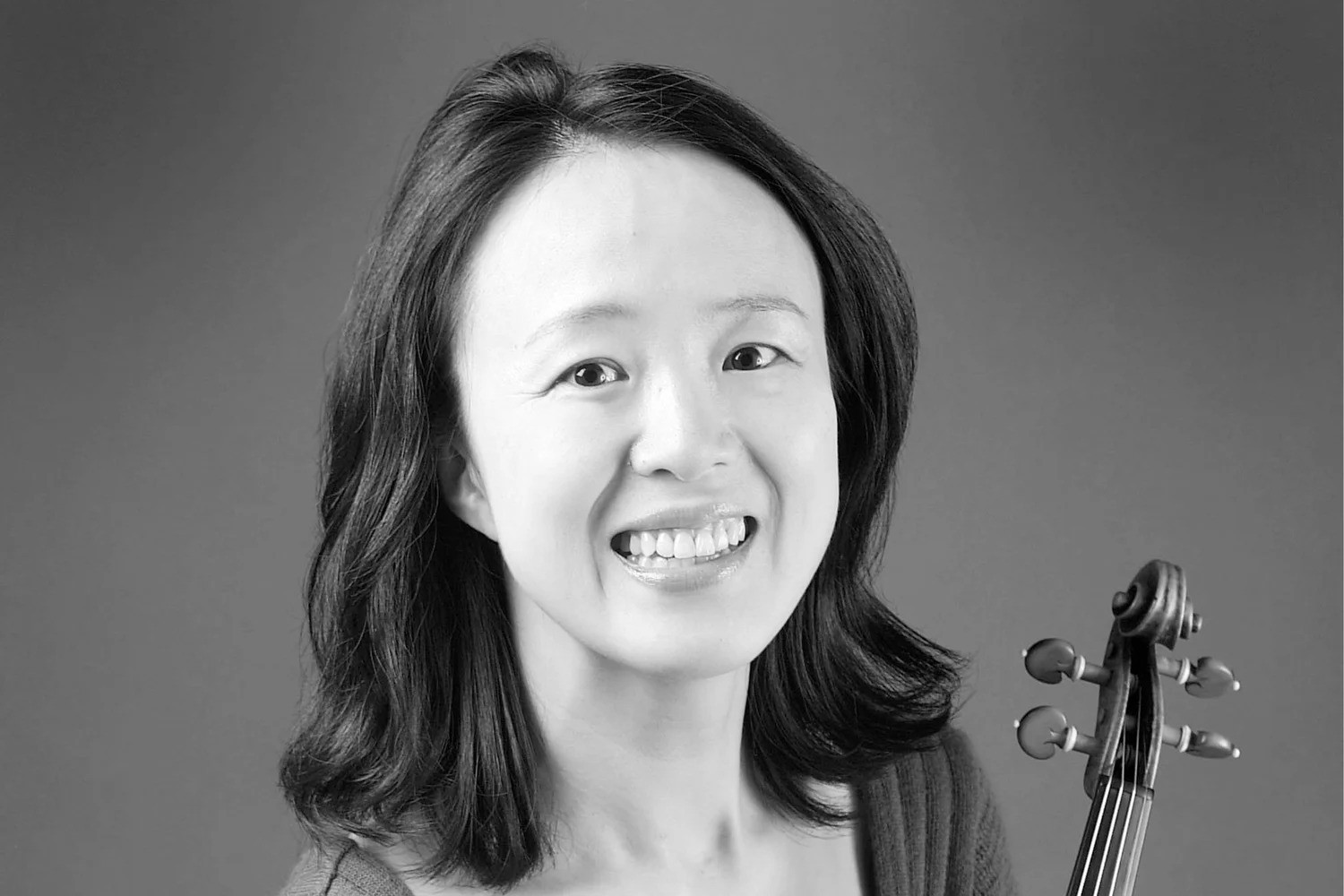
Miho Hashizume, principal cellist of the Rochester Philharmonic Orchestra, focused her community work on older adults, especially those in nursing homes and memory care units.
She noticed how often seniors, particularly those with dementia, miss out on social and cultural activities. In response, she chose music and performance styles that speak to them and trained other musicians to do the same. Her work reflects a deep understanding of how music stays with us, even when other memories fade.
6. Sean Claire - Knoxville Symphony Orchestra (2021)
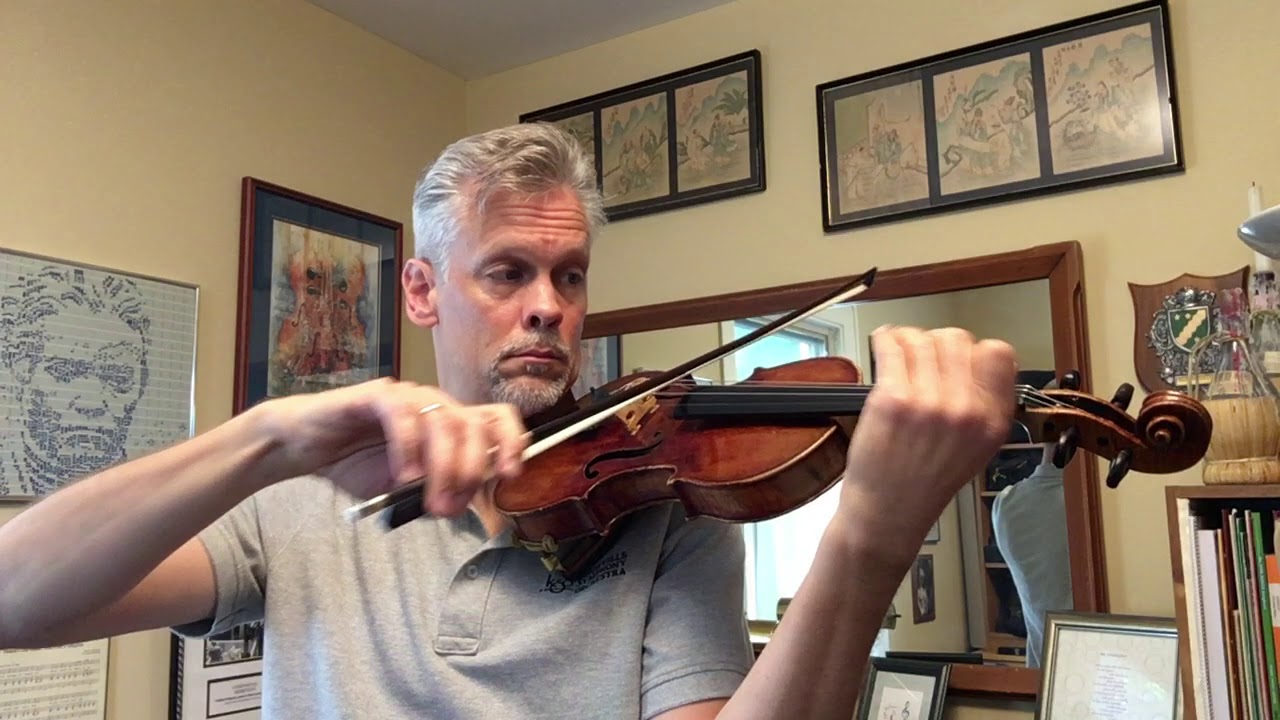
"God Bless America" performed by Sean Claire
Sean Claire helped create the Knoxville Symphony Orchestra’s Music & Wellness program, which connects music with healing. Since he joined the orchestra in 1990, he’s focused on how music can support people dealing with serious health issues like cancer or Parkinson’s disease.
The program brings live concerts to cancer centers, features music written by patients, and offers talks about how music can help with healing. Through this work, Claire showed that an orchestra can also be part of a community’s health support system.
7. Jeremy Crosmer - Multiple Orchestras (2021)
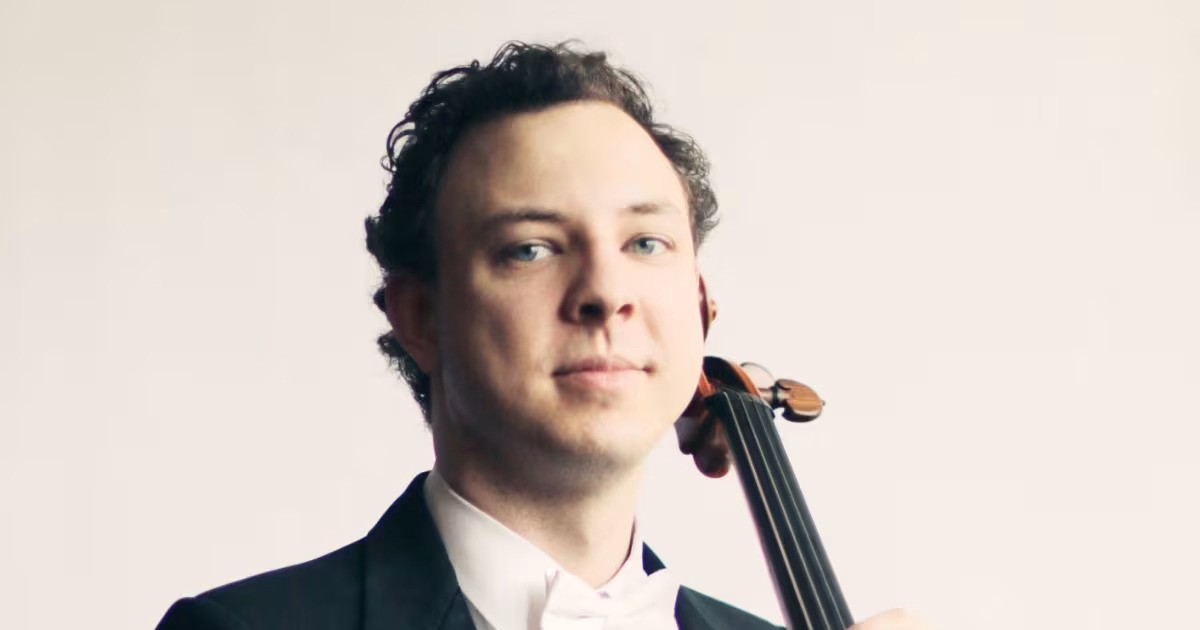
Jeremy Crosmer works to bring classical music to people in rural areas, where it’s often hard to find. Distance, lack of transportation and tight budgets keep many from ever seeing a live orchestra.
Crosmer started holding small concerts in everyday places like food banks, community centers and farm markets. These pop-up shows meet people where they already are, making music more accessible. His efforts show that musicians can take their art directly to communities instead of waiting for people to come to them.
8. John Turman - Multiple Projects (2021)
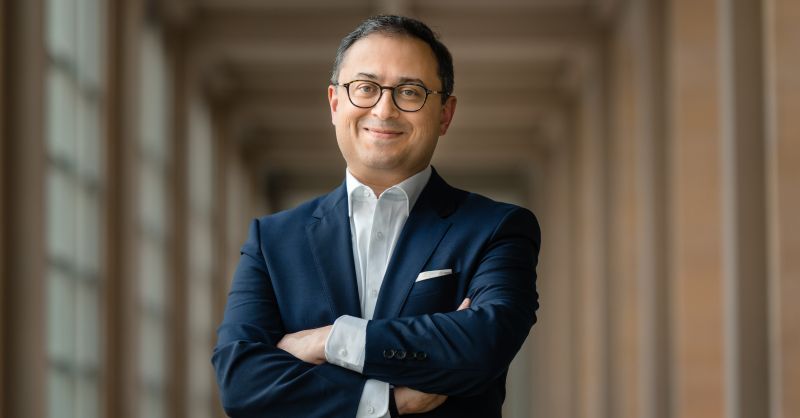
John Turman received a Ford Musician Award for his deep involvement with groups often left out of cultural experiences, people in prison, those without homes and families with low incomes. He believes everyone deserves access to music.
One of his most meaningful efforts is performing in prisons and talking with inmates about how music helps with healing and expressing emotions. For many of them, it’s their first time hearing live classical music and it opens a new door.
9. Donna Parkes - Louisville Orchestra (2019)
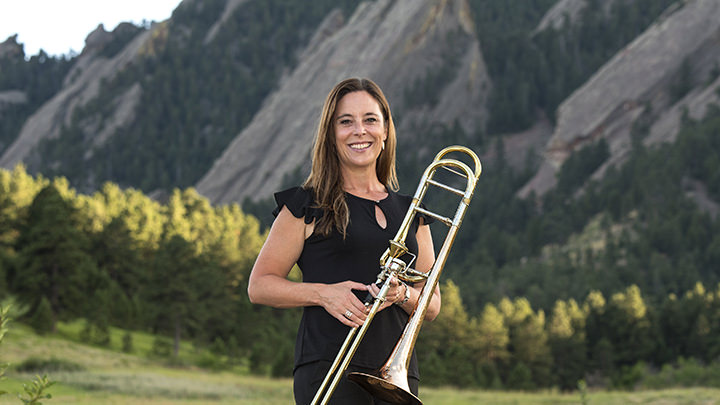
As principal trombonist of the Louisville Orchestra, Donna Parkes puts her energy into mentoring young students and fighting for music education in schools that need it most. She works with middle and high schoolers in Louisville’s underserved neighborhoods.
Her support goes beyond teaching music, she helps students apply to college, find scholarships and go through careers in music. Parkes knows that talented kids from tough backgrounds need more than just lessons, they need someone in their corner.
10. Erin Hannigan - Dallas Symphony Orchestra (2018)
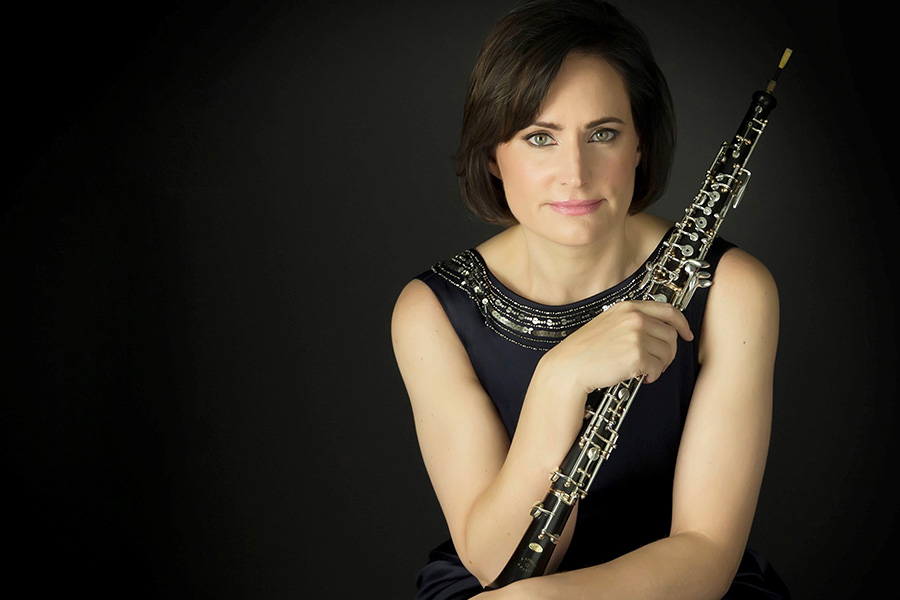
Erin Hannigan, the Dallas Symphony’s principal oboe, built programs that make music education possible for students with disabilities. She teamed up with special education teachers and therapists to create lessons that fit different learning styles and physical needs.
Traditional music classes often leave these students behind, but Hannigan’s work shows how orchestras can partner with experts to make sure every child gets a chance to experience music.
11. John R. Beck - Winston-Salem Symphony (2018)
John R. Beck plays percussion for the Winston-Salem Symphony and has been honored for his work with Latino families and people in rural parts of North Carolina. He noticed that many families don’t join music programs because they’re held only in English, so he teamed up with local Latino groups to offer lessons in both English and Spanish.
He also travels to small towns far from big cities to bring live music directly to people there. Instead of just showing up once, he keeps coming back to build real connections and keep the music going over time.
Read Also: National Community Service Awards
12. Penny Anderson Brill - Pittsburgh Orchestra (2016)
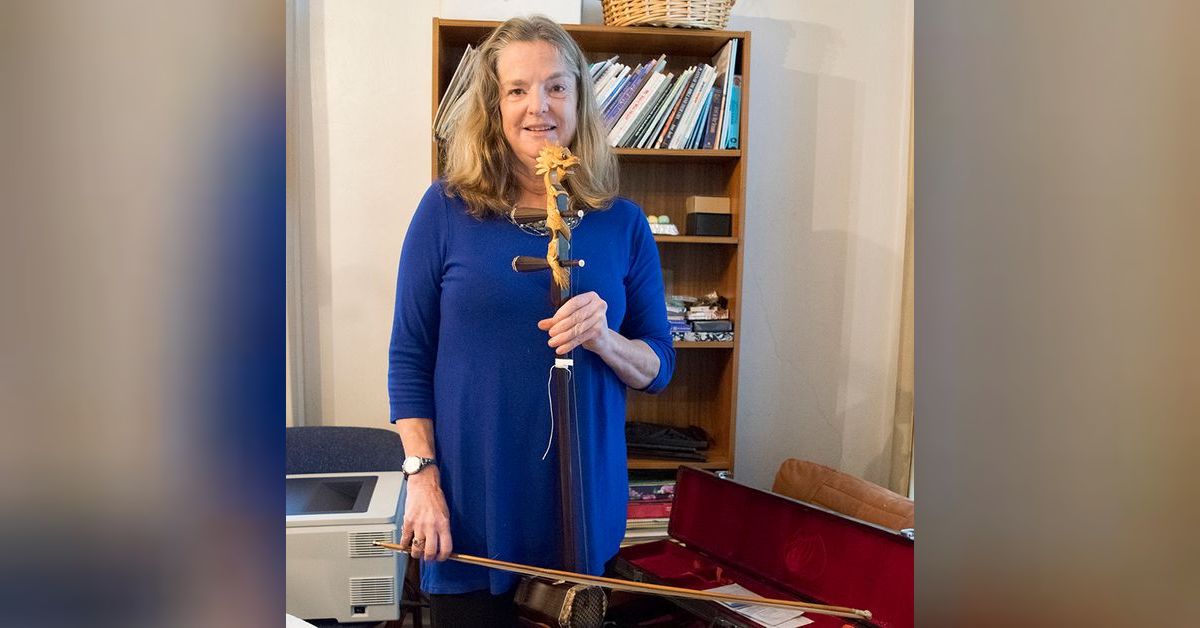
Penny Anderson Brill, a violist with the Pittsburgh Symphony Orchestra, was among the first to receive a Ford Musician Award in 2016. She brings together kids and older adults through music, helping them connect and learn from each other. These shared experiences break down the usual separation between age groups.
She also fights to keep music strong in Pittsburgh’s public schools. She pushes for steady funding and helps music teachers grow their skills. Her work solves both today’s needs and the future of music education.
13. Jody Chaffee - Firelands Symphony Orchestra
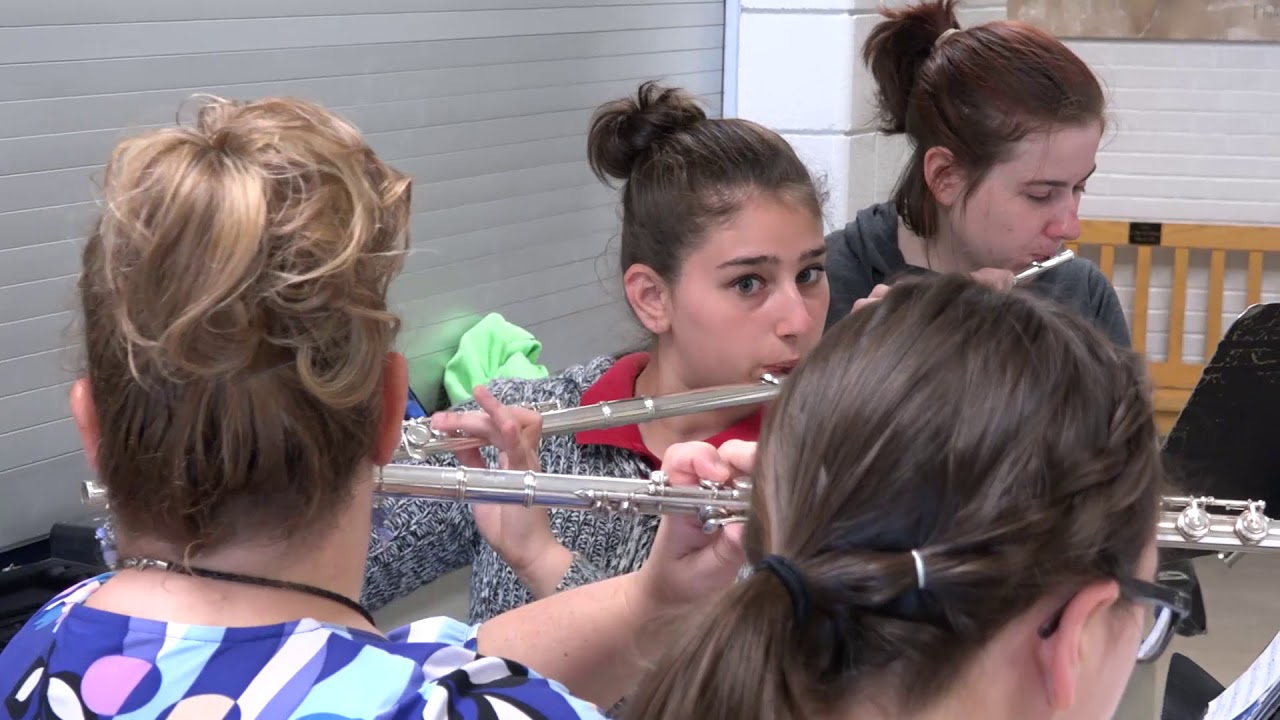
Firelands Symphony Orchestra, Ford Musician Awards Video, Jody Chaffee
Jody Chaffee is both a flutist and the Community Engagement Director for the Firelands Symphony Orchestra. She makes sure students get real music instruction even when their schools can’t afford a full-time music teacher.
She arranges for orchestra members to visit classrooms and teach, giving kids a chance to learn from working musicians. This approach fills a serious gap, especially as more schools cut arts programs.
14. Cancer Awareness Concert Series
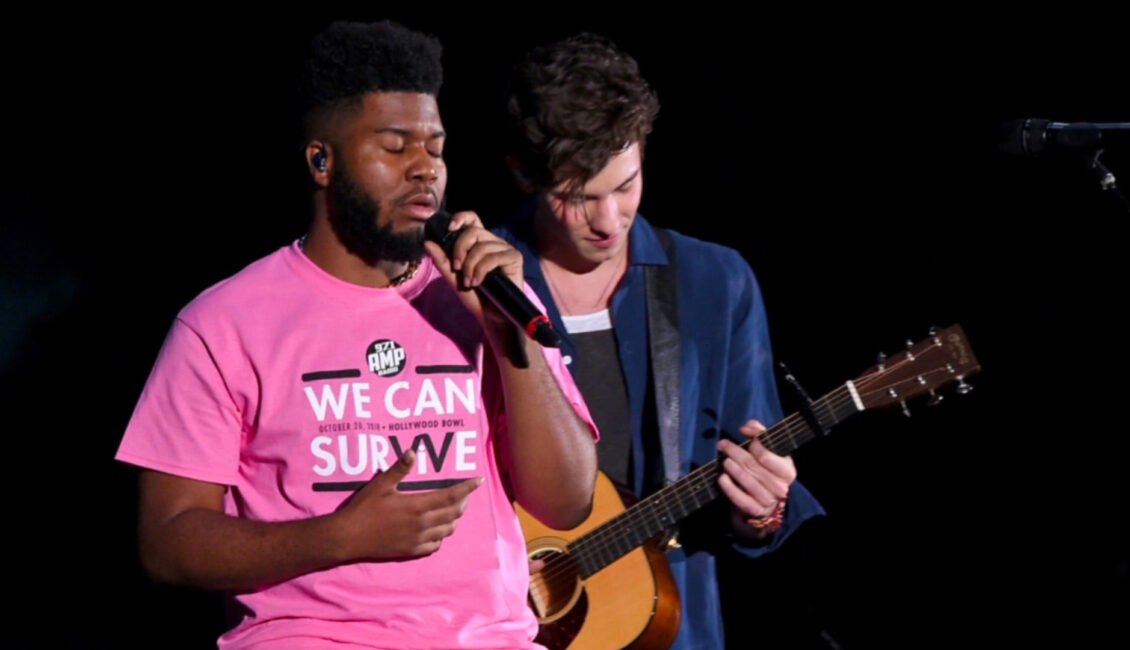
A number of Ford Musician Award winners have put together concerts focused on cancer awareness. These events feature new music written for and sometimes played by people living with cancer.
Rather than just watching from the audience, patients help shape the music, tell their stories, and even perform. These concerts bring together families, caregivers, and medical staff, offering a shared space to reflect on what cancer means for everyone involved.
15. Indigenous Community Outreach Musicians
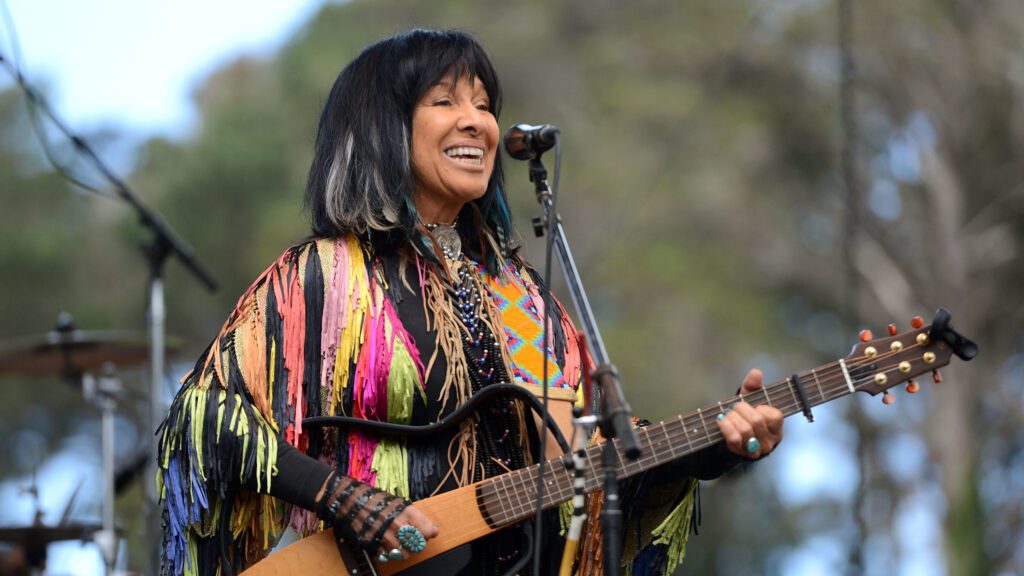
Several award recipients have created music programs for Native American communities, aiming to include people who have long been left out of classical music. These efforts are built on trust and real collaboration with tribal leaders.
Musicians listen to community needs and respect local customs while sharing orchestral music. Some programs even blend traditional Native sounds with classical pieces, celebrating Indigenous culture in an honest and meaningful way.
16. Music And Incarceration Project Leaders

Some award winners have brought music directly into prisons, seeing these spaces as places where people can heal and grow. Their work pushes back against common assumptions about both inmates and classical music.
Many prisoners connect deeply with live orchestral music, musicians who perform in jails go through special training to understand security rules, facility procedures and how to work sensitively with people who have experienced trauma.
A few programs have even introduced instruments and sheet music, with some participants starting with top classical piano songs for beginnersas their first step into making music themselves.
17. Food Insecurity Response Musicians (2020–2021)
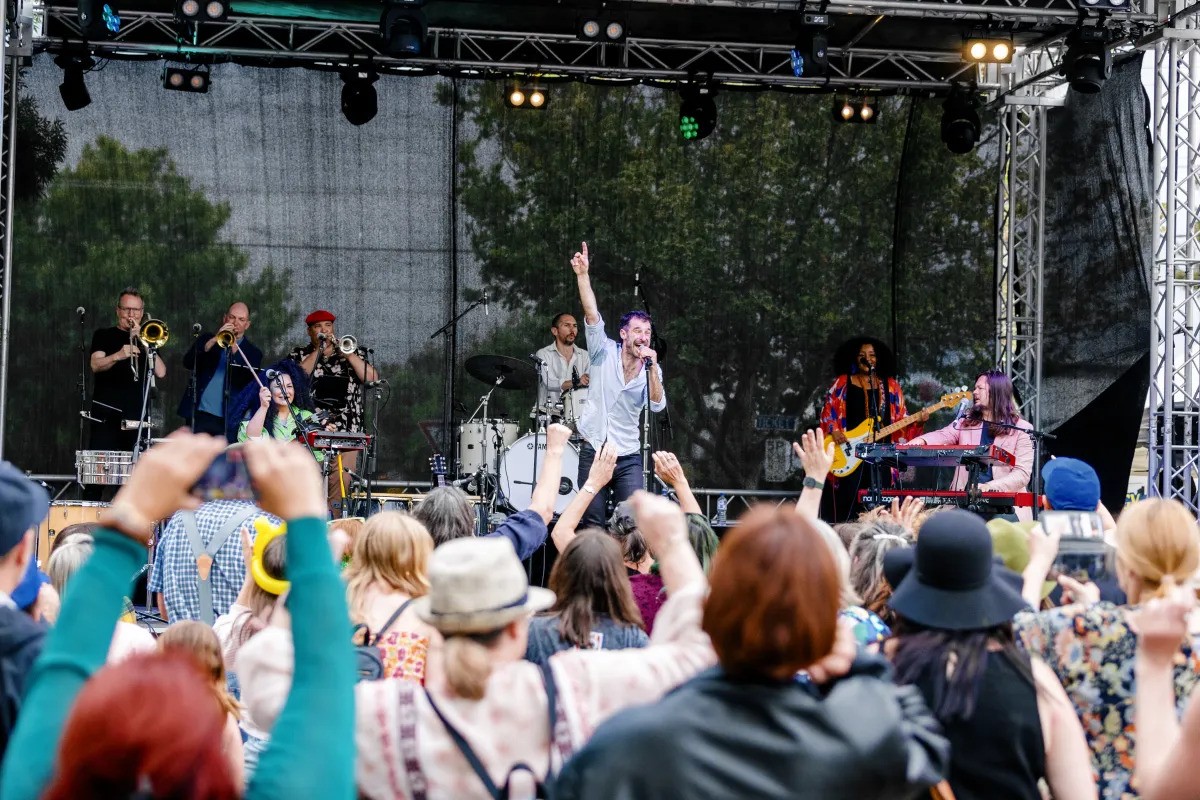
When the pandemic hit, several award recipients started playing short concerts at food banks while people waited for groceries. These performances reached families dealing with sudden financial hardship, many of whom wouldn’t normally go to a concert hall.
The music reminded people they were seen and valued beyond their immediate struggles. Even after the worst of the pandemic passed, these partnerships stayed strong, with orchestras continuing to work alongside food assistance groups.
18. Hospital Performance Pioneers
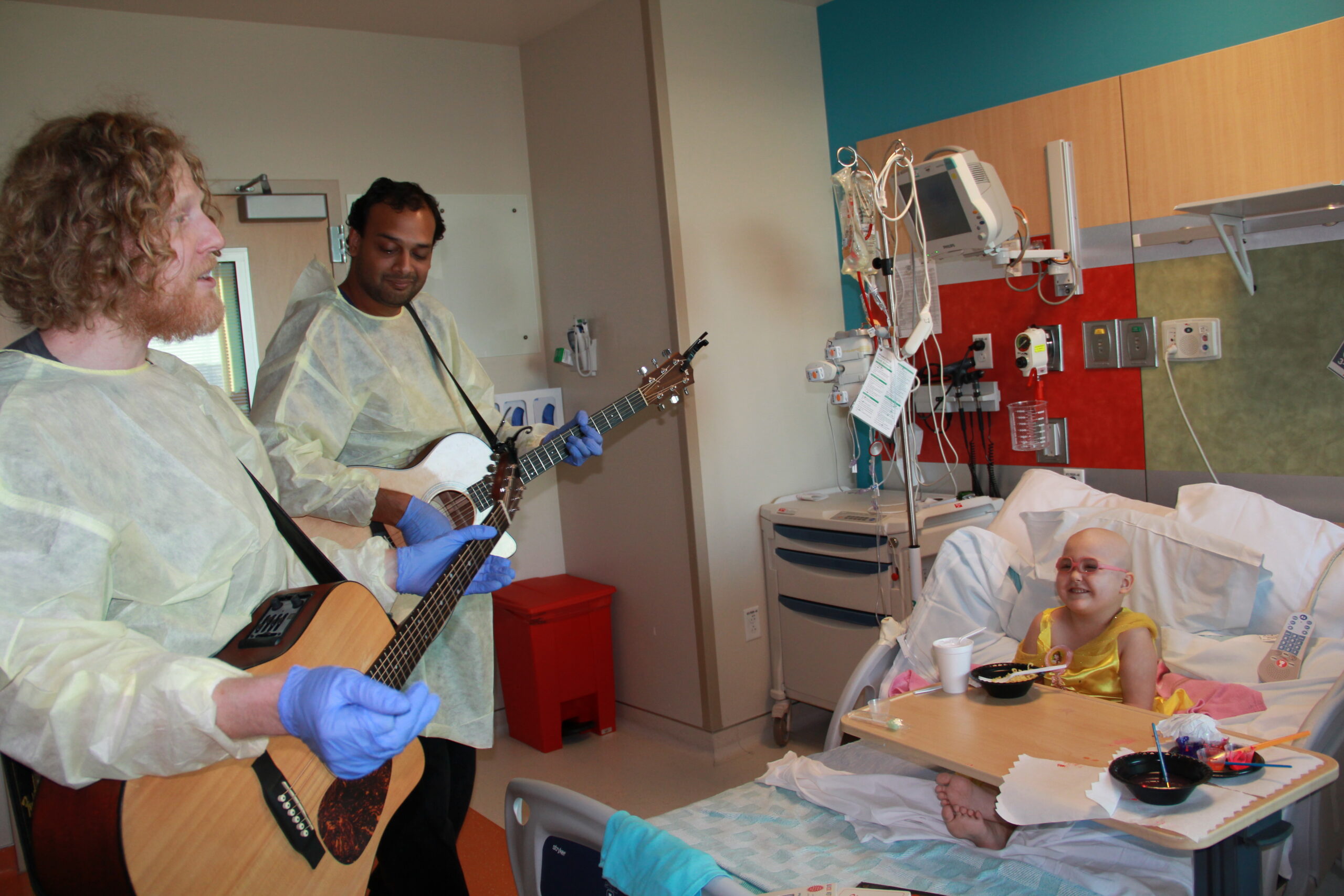
A number of award winners have taken orchestral music into hospitals, reaching patients, families and staff across their communities. These visits help ease the loneliness of long hospital stays, bring comfort during tough times, and give healthcare workers a brief moment of calm.
Organizing these performances means working closely with hospital staff, following health and safety rules and respecting patient privacy. Musicians adjust how they play choosing shorter pieces, using softer sounds and staying ready to pause if medical care is needed.
19. Disability-Focused Program Developers
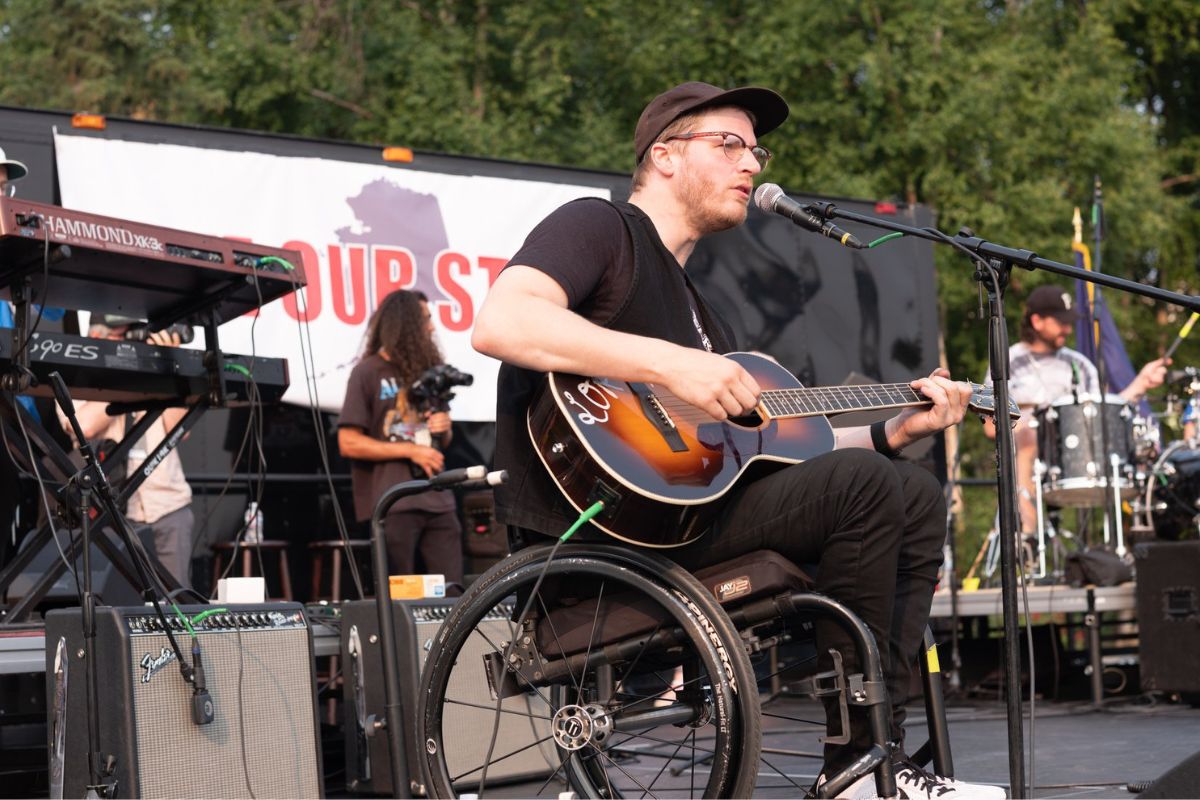
Several recipients created music programs designed for people with physical, cognitive, or developmental disabilities. These efforts often include collaboration with therapists and special education experts.
Musicians learn how to adapt their teaching and performance to meet different needs. The aim is to use music as a tool to help with things like movement, communication and building social connections.
20. Latinx Youth Music Education Advocates
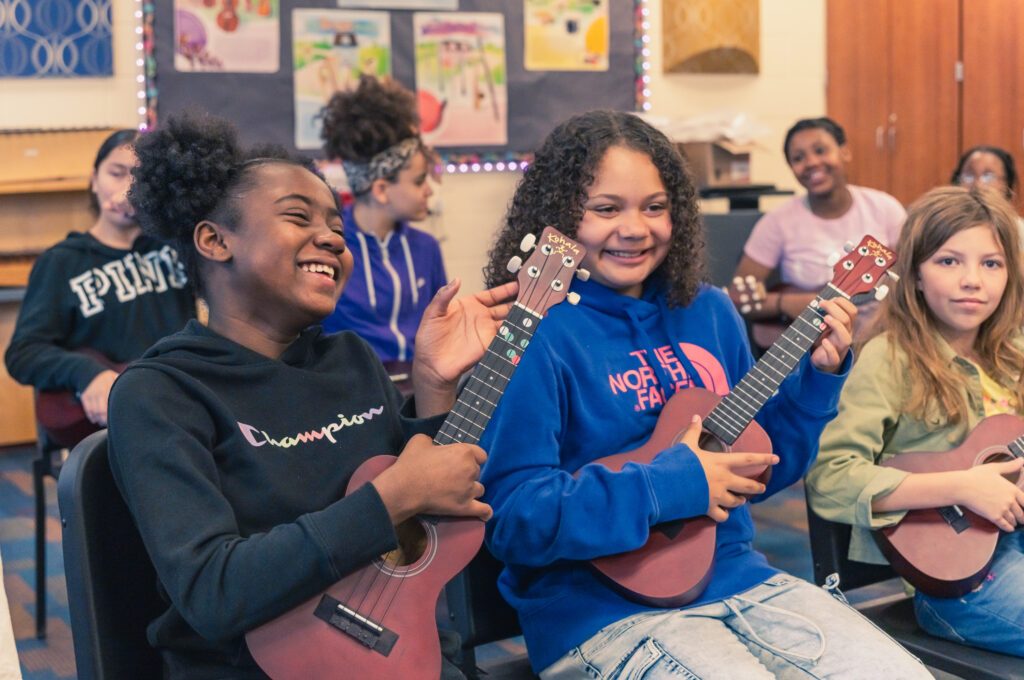
Many award winners have built music programs specifically for Latino children and teens, working to overcome language and cultural gaps in traditional music education.
They understand that Latino families often face real challenges in connecting with classical music like language differences, concerns about immigration status or feeling out of place in mainstream arts settings.
The most effective programs use bilingual teaching, include music from Latin America, and earn trust by showing up consistently in the community.
National Community Service Awards For Musicians
Ford Musician Awards
The Ford Musician Awards for Excellence in Community Service are the top honor just for orchestra musicians. Started in 2016 with support from the Ford Motor Company Fund, they recognize five musicians each year for outstanding work in their communities.
President's Volunteer Service Award (PVSA)
The President’s Volunteer Service Award is another option. It’s open to anyone who logs enough volunteer hours through approved groups, including many music students and teachers. While it’s not just for musicians, plenty in the music world have earned it.
Chamber Music National Service Award
Chamber Music America also gives out the Richard J. Bogomolny National Service Award. It celebrates people who’ve made a major, long-term difference in the chamber music world. Past winners include Michael Gordon, David Lang and Julia Wolfe founders of Bang on a Can for reshaping new music and deepening ties with their communities.
Importance Of Community Service In Classical Music
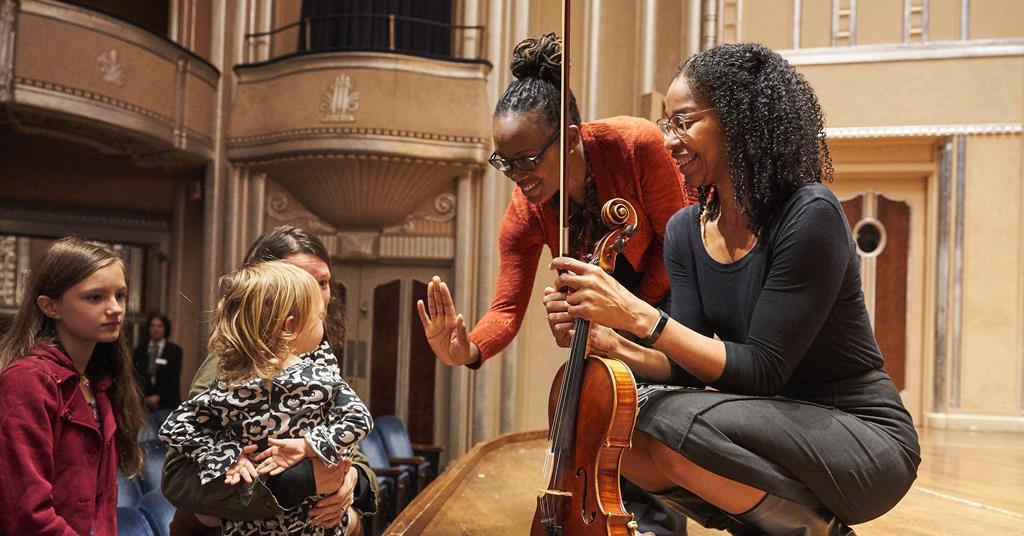
Classical music is struggling to stay important, getting involved in the community changes that. It reshapes what an orchestra is and who it’s for. Musicians who take part become more than performers. They teach, support and build real connections with people outside the concert hall.
This also answers a serious concern that classical music mostly benefits a small, privileged group, even though it often gets public money. Through community programs, orchestras show they belong to everyone, not just longtime ticket holders.
For the musicians themselves, it gives their music new meaning something beyond hitting every note perfectly. It reminds them why they started playing in the first place.
How Music Changes Communities
- Educational outcomes improve when students receive quality music instruction. Studies show music education connects with high mathematical reasoning, improved language skills, and better academic performance overall.
- Health outcomes benefit from music intervention. Music therapy helps Parkinson's patients with motor control, supports stroke recovery, reduces anxiety in cancer patients, and preserves memory function in dementia patients.
- Social cohesion strengthens in communities with huge arts programming. Music creates shared experiences across demographic divides, building community identity and connection.
- Economic development follows cultural investment. Communities with strong arts sectors attract businesses, retain educated workers, and generate tourism revenue.
How Musicians Handle Performing And Giving Back
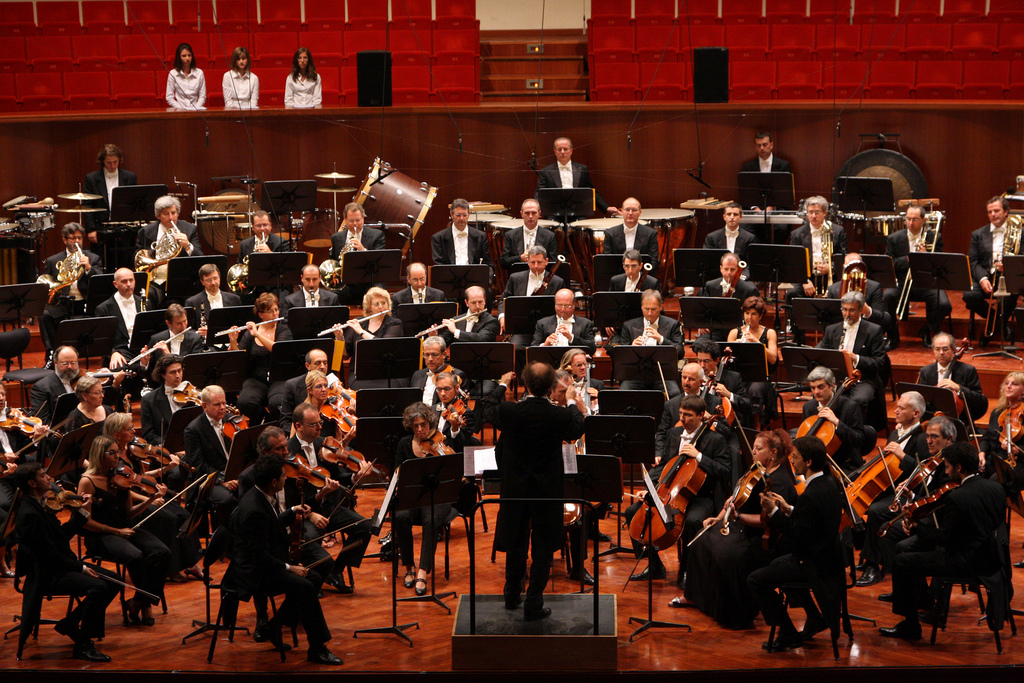
Being in a professional orchestra takes up almost all of a musician’s time. Between concerts, rehearsals, personal practice and getting ready for auditions, there’s little room for anything else.
Some musicians still manage to do meaningful community work. How? They don’t see it as something extra they have to squeeze in. Instead, they feel that serving their community is part of who they are as artists, it’s why they got into music in the first place.
Support from their orchestra makes a big difference. When organizations give musicians paid time, staff help, or funding for outreach, it becomes possible to keep doing this work without burning out. Without that backing, even the most dedicated players find it hard to keep going.
Musicians As Community Leaders
Today’s younger players often see connecting with their communities as a core part of their job, not an add-on. Music schools are catching on, too, by teaching students how to engage with the public as part of their training.
This shift comes from both heart and practicality. On one hand, musicians believe music can help tackle real-world issues. On the other, orchestras need to show they matter to the public to keep receiving support from donors and government funds.
The pandemic pushed this change even faster. When concert halls shut down, musicians who already had strong local ties could quickly switch to online shows, outdoor events, and other ways to stay connected. Those relationships helped orchestras survive a tough time.
How Winners Are Chosen
The Ford Musician Awards go to musicians who truly make a difference in their communities.
Nominations come from orchestra leaders, board members, and fellow musicians never from the musicians themselves. This keeps the focus on those whose work others have seen and valued firsthand.
A group of outside reviewers looks at each nominee using five clear criteria:
- Impact - How deeply has their work changed people’s lives
- Innovation - Does their approach solve community needs in a fresh way
- Sustainability - Can the work keep going over time
- Scalability - Could other musicians use the same idea
- Commitment - How much time and effort have they put in
Each winner gets a $2,500 grant to keep their community projects going, is honored at the League of American Orchestras National Conference and receives national attention for their work.
FAQs About Musician's Community Service Awards
What Is The Ford Musician Award For Excellence In Community Service?
This award honors professional orchestra musicians who go above and beyond their regular jobs to serve their communities through music. Started in 2016 by the League of American Orchestras with help from the Ford Motor Company Fund.
Can Student Musicians Get National Community Service Awards?
Students can earn recognition through programs like the President’s Volunteer Service Award (PVSA). If they log enough volunteer hours such as teaching music, performing in the community or helping with music outreach through schools or youth groups.
What Kinds Of Community Service Do Award-winning Musicians Do?
These musicians run programs in schools that lack arts funding, play for patients in hospitals, bring music to people in prisons and perform for seniors, especially those with memory issues and many more.
Do Musicians Get Paid For Winning Community Service Awards?
Winners of the Ford Musician Award receive a $2,500 grant to help keep their community projects going. This money can cover things like supplies, travel or instruments for students.
Why Does Community Service Matter For Classical Musicians?
It shows that orchestras and classical music can play a real role in people’s everyday lives. Through service, musicians reach those who might never hear an orchestra otherwise, support public health, enrich education and bring people together.
How Do Professional Musicians Make Time For Community Service?
They treat it as part of their musical life, not an extra chore. Many have support from their orchestras, which may give them paid time off, help with planning or funding for their projects.
Final Thoughts
These musicians have broadened what it means to be a musician, using their talent and training to meet real needs in their communities. The teens guided by Donna Parkes, the hospital patients soothed by Charlotte Kearns, the people in prison touched by John Turman’s music and many more.
These experiences stay with people long after the last note fades, that’s a legacy no review or recording can capture. And they’re encouraging young musicians to think beyond technique, asking not just how well they play, but how they can help.
Also Check Out: Honoring Acts Of Heroism By Celebrating Bravery In Our Communities